Canvas & Skin
15+ Arm Tattoo Placement Ideas Worth Considering Before You Book
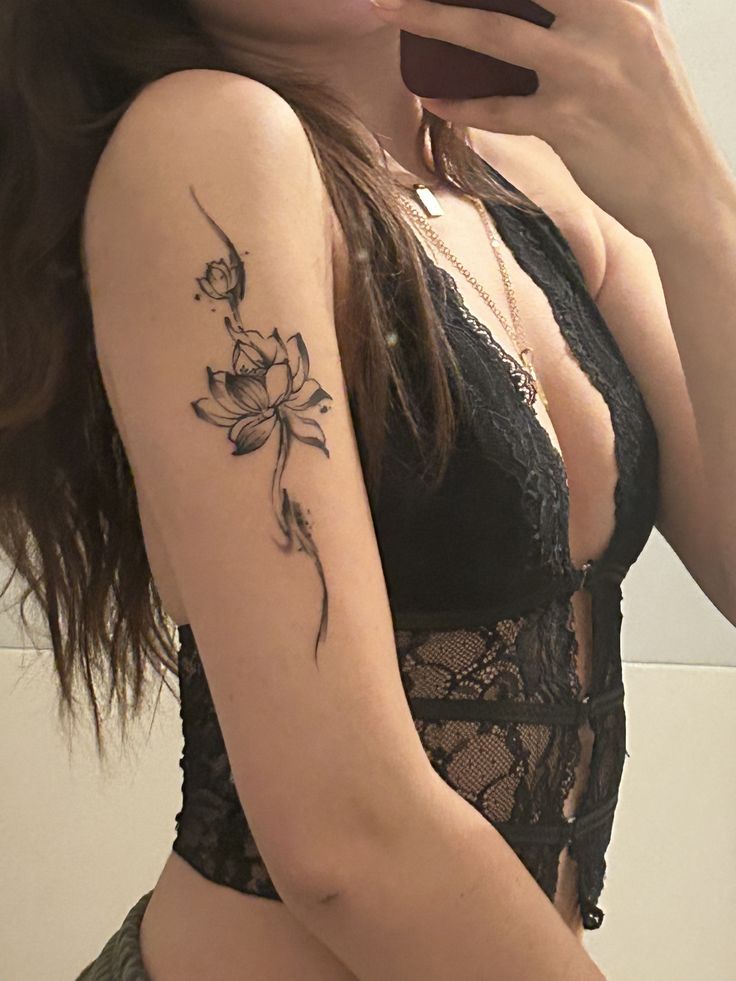
The arm remains one of the most popular places for tattoos because it offers an incredible range of options. Some areas stay visible every day, while others can easily be covered. Certain placements age exceptionally well, and others require more maintenance over time.
Before choosing a design, it is worth spending time thinking about placement. The location of a tattoo affects how it looks, how it heals, how it ages, and even which styles work best.
These arm tattoo placement ideas cover every major area from the shoulder to the fingers, helping you understand what each zone offers before you book your appointment.
Upper Arm and Shoulder Placements
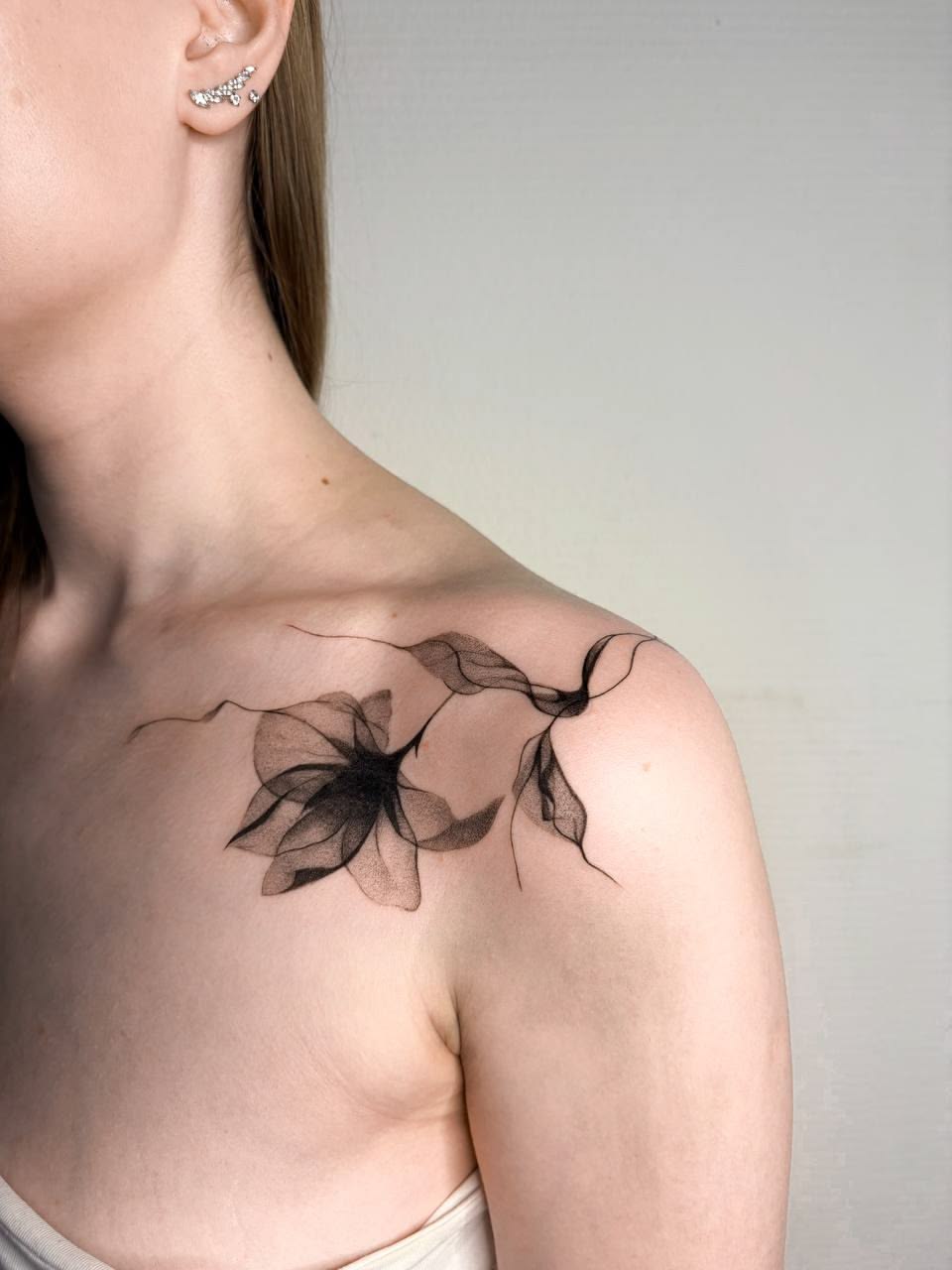
Shoulder Cap
The rounded shape of the shoulder cap works especially well for bold and contained designs. Mandalas, geometric pieces, traditional artwork, and portraits often fit naturally here because the curve of the shoulder adds depth to the composition.
This placement also transitions easily into a half sleeve or full sleeve if you decide to expand your tattoo later.
Outer Upper Arm
The outer upper arm is one of the easiest areas to tattoo. The skin is relatively stable, the surface is flat, and pain levels are generally lower than many other locations.
Fine-line work, script, botanical designs, and illustrative tattoos all perform well here. It is also one of the most popular choices for first-time clients.
Inner Upper Arm
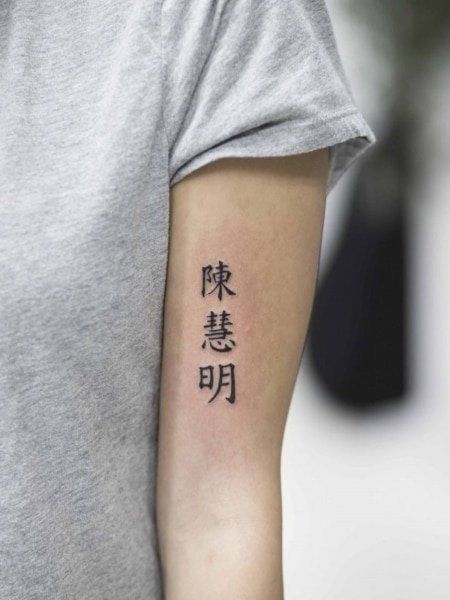
The inner bicep offers a more private placement that is not constantly visible. Many people choose this area for meaningful quotes, dates, symbols, or personal designs.
The skin is softer and moves more during everyday activity, so extremely delicate lines may soften more quickly compared to the outer arm.
Armpit
The armpit remains one of the least common tattoo locations, although it has gained popularity in recent years. Small geometric designs and minimalist artwork often work best.
This area is known for being particularly sensitive and requires an experienced artist due to the movement and texture of the skin.
Elbow and Forearm Placements
Inner Elbow Ditch
The crease of the inner elbow creates an interesting space for small graphic designs and symmetrical artwork. Tattoos in this area become highly visible when the arm is extended.
Because the skin bends constantly, extremely fine details may distort over time if the design is not planned carefully.
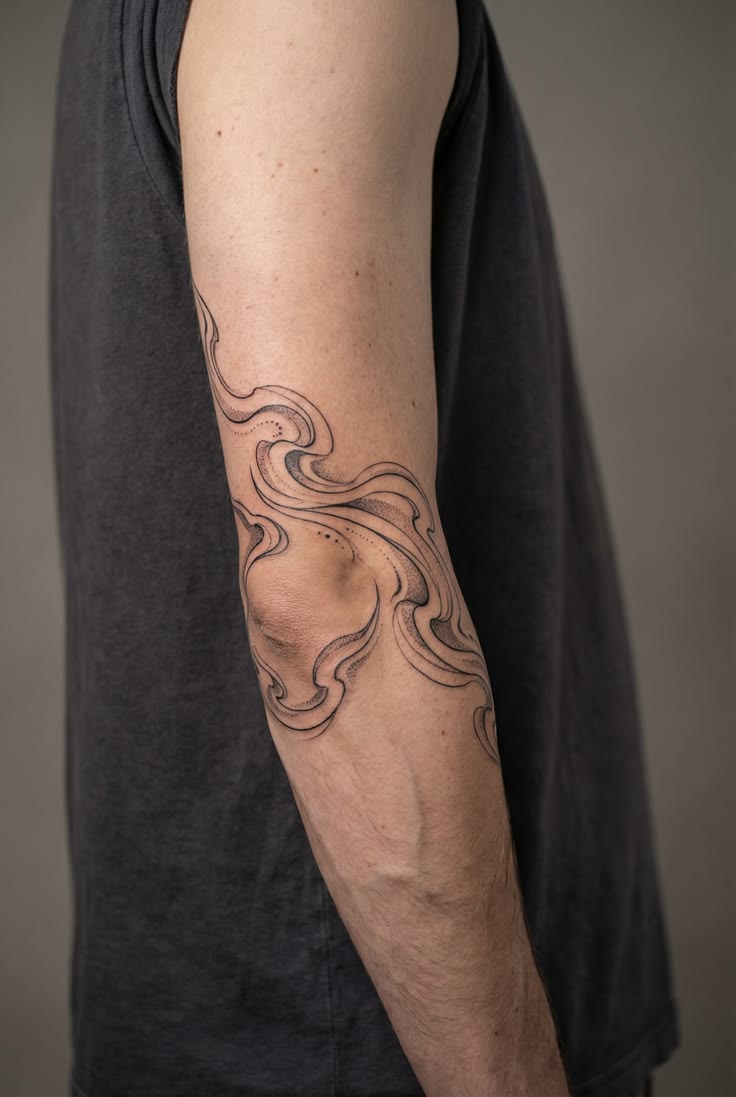
Outer Elbow
The circular shape of the elbow naturally suits symmetrical designs such as spider webs, flowers, geometric patterns, and ornamental work.
This area is considered one of the more painful locations on the arm, but bold designs generally age very well here.
Outer Forearm
The outer forearm is one of the most requested tattoo placements. The area is broad, relatively flat, and remains visible throughout the day.
Nearly every style works well here, including realism, Japanese designs, blackwork, fine-line tattoos, and illustrative pieces.
Inner Forearm
The inner forearm often feels more personal because it faces the wearer. Quotes, meaningful symbols, dates, and smaller artwork are especially common in this area.
The skin is softer than the outer forearm, which can slightly affect healing and ink saturation.
Inner Elbow to Forearm Flow
Designs that begin at the elbow ditch and extend toward the inner forearm create a strong vertical composition. This approach works particularly well for flowers, vines, Japanese motifs, and flowing line work.
Many sleeve projects begin with this type of placement because it creates a natural direction for future additions.
Wrist and Hand Placements
Outer Wrist
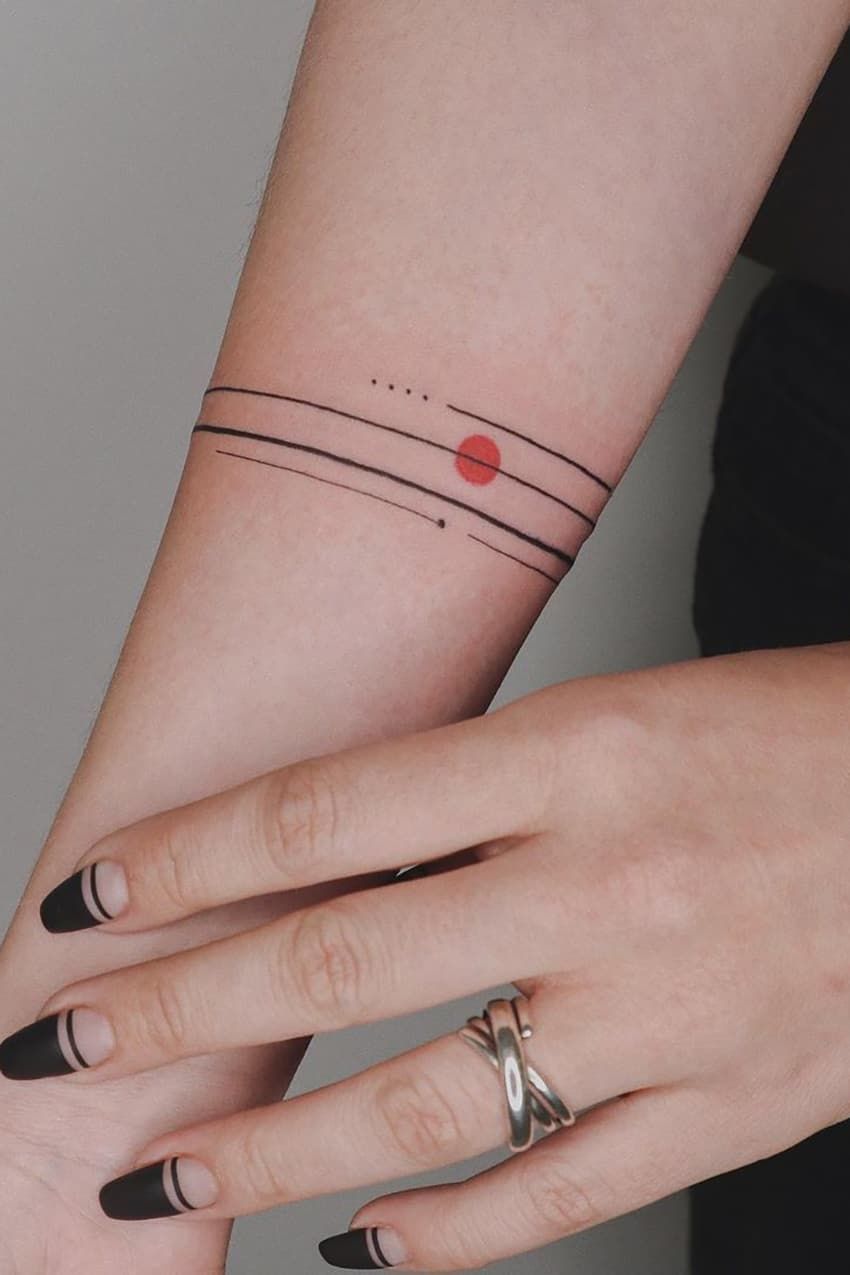
The outer wrist provides a small but highly visible canvas. Because the area receives regular sun exposure, fading can occur more quickly than in covered areas.
Simple symbols, small illustrations, and fine-line designs remain popular choices.
Inner Wrist
The inner wrist holds strong personal meaning for many clients because it remains visible to the wearer throughout the day.
Small words, dates, symbols, and minimalist designs work especially well here. The presence of tendons and bone can make this area slightly more sensitive.
Side of the Wrist
The edges of the wrist provide a narrow surface that works well for vertical text, continuous line art, or simple decorative elements.
Correct sizing is important. Designs that are too wide can appear awkward, while properly proportioned artwork follows the natural shape of the wrist.
Back of the Hand
Hand tattoos require a greater level of commitment because they remain visible at nearly all times. Sun exposure, friction, and constant movement can lead to faster fading.
Bold outlines and stronger designs generally age better than extremely delicate line work.
Finger Tattoos
Finger tattoos are among the highest-maintenance placements on the arm. Ink loss and fading are common, and touch-ups may be necessary after several years.
Simple symbols, small letters, bands, and minimal designs usually perform better than highly detailed artwork.
For a visual overview of how all of these zones relate to each other across the full arm, a tattoo arm placement chart helps map out sizing and positioning decisions before the consultation.
Tattoo Styles That Work Best on the Arm
Japanese Traditional and Neo-Traditional
These styles work particularly well on the upper arm, forearm, and full sleeve projects. Their bold outlines and strong compositions hold up well over time.
Fine-Line and Botanical Tattoos
Fine-line tattoos perform best on relatively flat areas such as the outer forearm, inner forearm, and upper arm. High-friction zones like fingers and hands are generally less suitable.
Geometric and Blackwork Designs
Geometric patterns adapt well to many arm placements, especially the upper arm, elbow, and forearm. Bold black designs often age predictably and maintain strong contrast.
Realism and Portrait Tattoos
Realistic tattoos require enough surface area to capture detail and shading. The outer upper arm and forearm usually provide the best canvas for this style. Areas with heavy movement, such as the wrist or elbow, are generally less suitable for highly detailed realism.
How Gender Can Influence Arm Placement Choices
Body proportions, personal style, and aesthetic preferences often influence tattoo placement choices. While these patterns are not strict rules, they are common enough to be helpful.
Popular Placements for Women
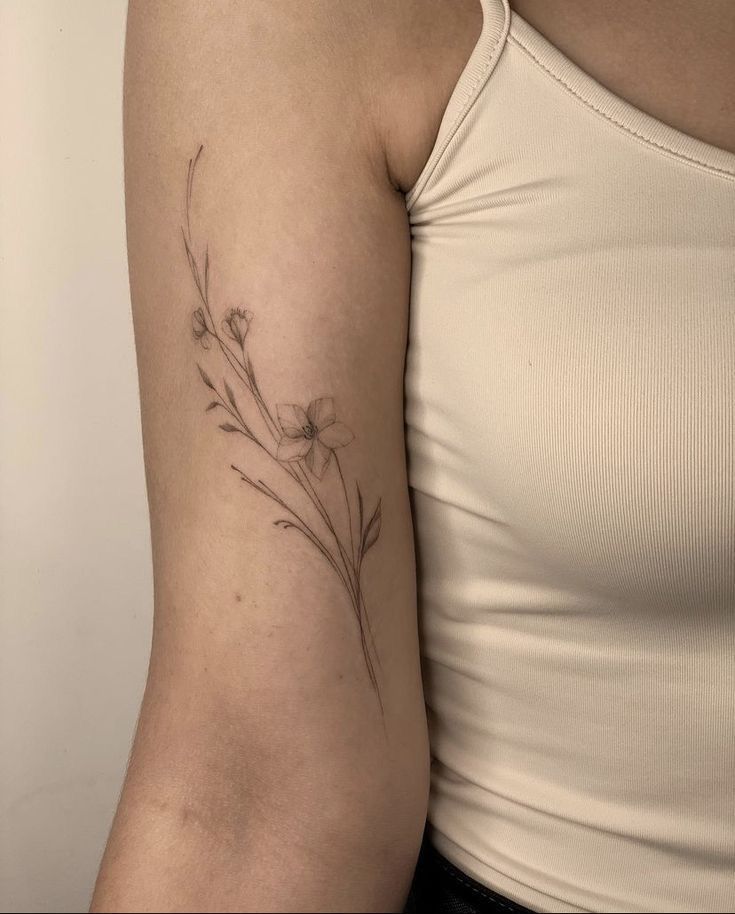
The inner forearm, wrist, and inner bicep remain among the most requested areas for female clients. Smaller designs often fit these areas proportionally and create a balanced appearance.
Fine-line florals, script tattoos, and minimalist illustrations are especially popular. Half sleeves commonly follow the outer arm to maintain visibility while preserving a delicate appearance.
Popular Placements for Men
The shoulder cap, upper arm, and outer forearm are frequently chosen by male clients because these areas provide larger surfaces for detailed artwork.
Japanese designs, realism, geometric tattoos, and large compositions often benefit from the additional space available on these placements.
The elbow and elbow ditch also frequently appear within male sleeve projects as transitional elements between larger sections.
Choosing the Right Artist for Arm Tattoos
The artist you choose should match the style you want.
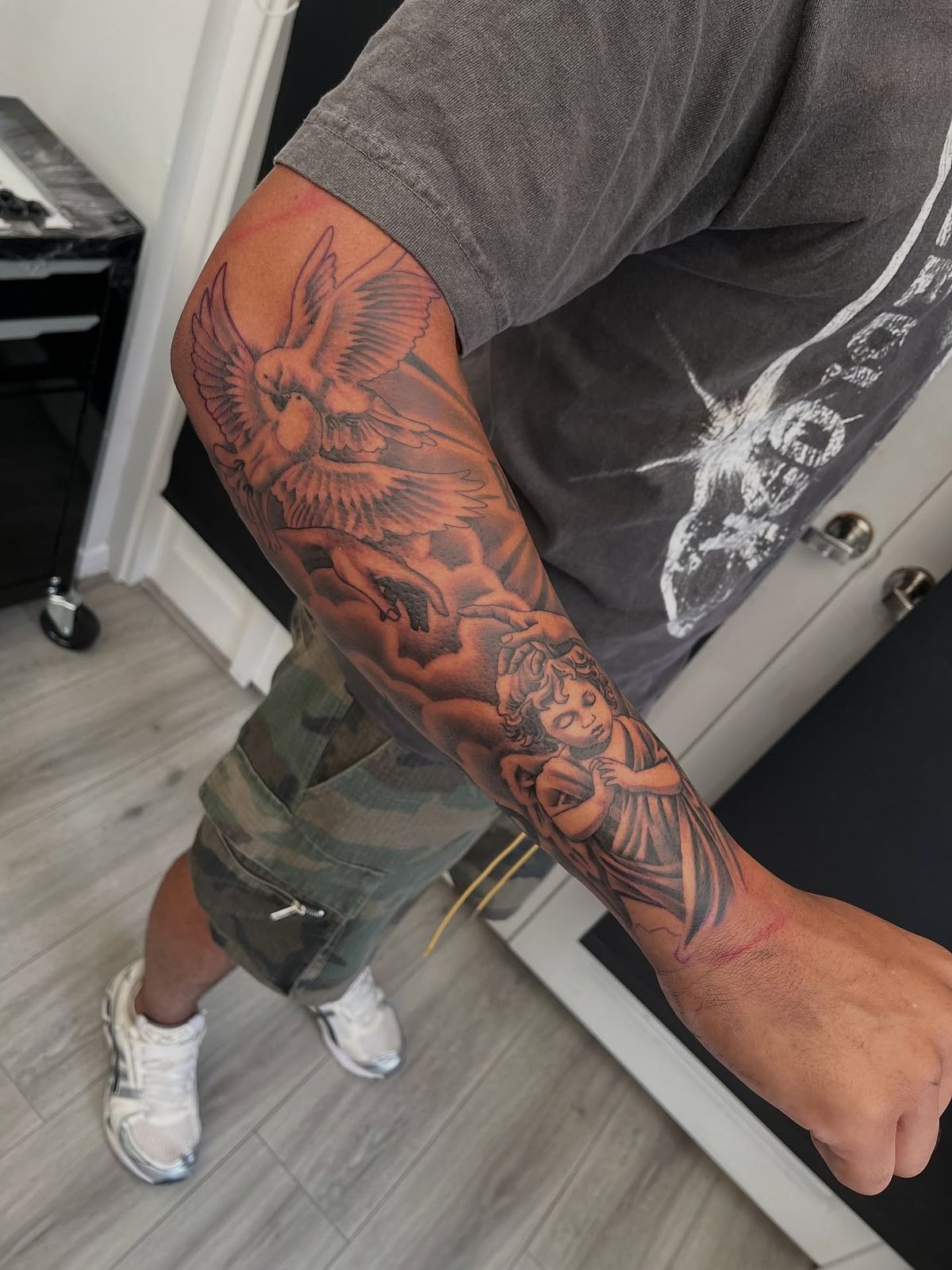
For realism and portrait work, healed photographs are especially important because they show how the tattoo looks after the skin has settled.
For black and grey tattoos, pay attention to smooth shading, soft transitions, and balanced contrast. These details often become more noticeable on the arm because the area remains highly visible.
For fine-line work, ask about the artist's needle configurations and their experience with delicate designs. Fine lines require precision and may behave differently depending on the placement.
If you are planning a sleeve, ask to see completed sleeves rather than individual tattoos. A successful sleeve depends on how each element flows across the entire arm.
Final Thoughts
Choosing an arm tattoo involves more than selecting a design. Placement influences style, style influences artist selection, and the artist determines how well the tattoo ages over time.
Starting with placement often leads to better long-term results. Once you understand what each part of the arm offers, it becomes much easier to select a design and find the right artist for the project.
The arm provides one of the most versatile tattoo canvases on the body, and making informed decisions before booking can help ensure a result that still looks great many years later.